
Healing Rooted in Tradition.
Tailored for you.
Discover our comprehensive range of traditional Chinese medicine treatments, each designed to restore balance and promote natural healing tailored to your individual needs.
Acupuncture
Traditional therapy method using fine, sterile needles to stimulate key points on the body, stimulating the body’s natural healing process and providing pain relief.
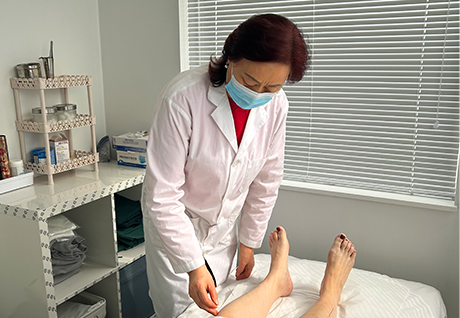
Benefits of Acupuncture

Pain Relief

Stress Reduction

Better Sleep

Improved Circulation
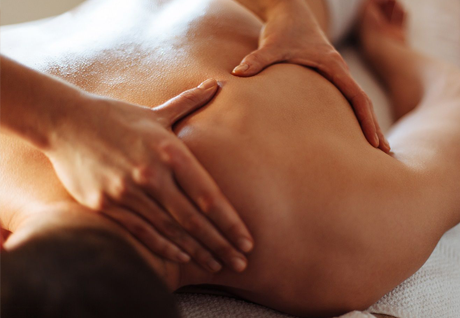
Massage Therapy & Chinese Tuina
Massage therpay and traditional Chinese massage improves circulation, relieves tension, and restores the natural flow of Qi, promoting balance and relaxation.
Benefits of Massage Therapy & Chinese Tuina

Muscle Relaxation

Joint Mobility
Qi & Blood Flow

Stress Relief
Herbal Therapy
Using traditional Chinese herbs, dialectical analysis regulates the yin and yang of Qi and blood. By achieving yin yang balance, illness can be eliminated from the body and health is restored, for instance cough, eczema, shingles, irregular periods, amenorrhea, infertility, heart problem, stroke and digestive system disorders etc.
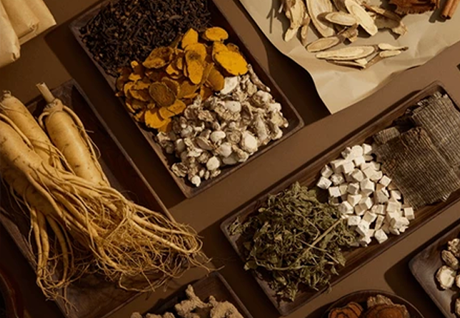
Benefits of Herbal Therapy

Internal Restoration

Digestive Balance
Hormonal Support
Immunity Boost
Other Treatment
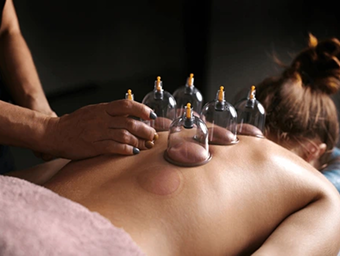
Cupping Therapy
A gentle yet powerful therapy that users suction to release tension, improve circulation.
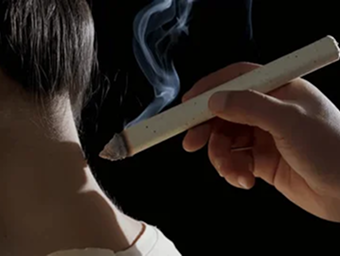
Moxibustion
Warming treatment that stiulates energy flow and strengthens the body by applying gentle heat from burning moxa near specific points

Wellness Consultation
Personalized on one session to understand your health goals, access imbalances, and create a tailored treatment plan.
Frequently Asked Questions
Don't worry, we Answer your concerns
What is acupuncture
Acupuncture is a traditional healing practice that originated in China over 2,000 years ago. It involves inserting very thin, sterile needles into specific points on the body to help restore balance and promote natural healing.
How it works
In Traditional Chinese Medicine (TCM), acupuncture is based on the idea that vital energy, often called Qi, flows through pathways in the body known as meridians. When this flow is blocked or imbalanced, discomfort or illness may occur. Acupuncture helps stimulate specific points to improve circulation, regulate the nervous system, and support the body’s ability to heal itself.
From a modern medical perspective, research suggests acupuncture may:
Stimulate nerves and muscles
Increase blood flow
Trigger the release of natural pain-relieving chemicals (like endorphins)
Help regulate stress responses
Does acupuncture hurt?
For most people, acupuncture does not hurt the way they expect it to.
The needles are extremely thin — much thinner than the ones used for injections or blood tests. When they’re inserted, you might feel:
A tiny quick pinch (sometimes nothing at all)
A mild tingling sensation
Warmth or a dull, heavy feeling
A gentle pressure
That dull or heavy sensation is actually considered a good sign in Traditional Chinese Medicine — it means the point is activated.
After the needles are in, most people feel deeply relaxed. Some even fall asleep during treatment.
How do treaments work with insurance?
How insurance works with acupuncture depends on your plan and where you live, but here’s the general idea so you know what to expect:
1. Check Your Coverage First
Most extended health insurance plans (through parents’ benefits, work plans, or private plans) will cover acupuncture if it’s performed by an accredited practitioner — usually a registered acupuncturist or a regulated healthcare provider (like an MD doing acupuncture).
In Canada (including British Columbia), many benefits plans* will cover at least part of the cost, but it varies a lot by plan.
2. What You Might Be Covered For
Insurance may help pay for:
Acupuncture assessment and treatment fees
Follow-up sessions
In some plans, related therapeutic services (like cupping or TCM consultations)
What is cupping?
Cupping therapy is a traditional treatment that uses special cups placed on the skin to create suction. It’s been used for centuries in traditional medicine, especially in China and other parts of Asia and the Middle East.
How it works
The practitioner places cups (usually glass, silicone, or plastic) on specific areas of your body — often the back, shoulders, or legs.
They create suction either by:
Using heat inside the cup (traditional method)
Using a pump to remove air
The suction gently lifts the skin and underlying tissue.
What is moxibustion?
Moxibustion is a traditional therapy from China that involves burning a dried herb called mugwort (also known as “moxa”) near specific acupuncture points on the body.
How it works
The practitioner lights a small stick or cone of compressed mugwort and holds it close to the skin (or places it on top of an acupuncture needle).
The goal is to gently warm the acupuncture points and meridians.
It does not mean burning your skin. A trained practitioner controls the heat carefully so you feel warmth — not pain.
What it’s used for
Moxibustion is often used to:
Improve circulation
Warm the body
Support digestion
Ease menstrual cramps
Help with fertility support
Relieve certain types of pain, especially “cold” conditions in TCM
Many people describe it as deeply relaxing — like a focused heat therapy.
How many sessions will I need?
Before starting treatment, it’s important to consult with a TCM practitioner for a thorough assessment. They will evaluate your condition, discuss your health history, and create a personalized treatment plan. The number of sessions you need will depend on your specific concerns, how long you’ve had them, and how your body responds to treatment.
For acute issues, a few sessions may be enough. For chronic or long-term conditions, a series of treatments is usually recommended. Your practitioner should reassess your progress regularly and adjust the plan as needed.
Are herbal medicine safe?
Herbal medicine is generally safe when guided by a trained TCM practitioner. Think of it like any other prescription — the right herb, dose, and combination matter.
Safety Tips
Consult a qualified TCM practitioner first
Herbs are prescribed based on your specific condition, body type, and other medications. What’s safe for one person may not be safe for another.Quality matters
Reputable clinics use herbs that are tested for purity and free of contaminants. Avoid buying random herbal products online without guidance.Potential interactions
Some herbs can interact with prescription medications or cause side effects if taken inappropriately. Always tell your practitioner about any medications or supplements you’re taking.Dosage and preparation
Herbs can come as teas, capsules, powders, or tinctures. Following the practitioner’s instructions carefully is essential for safety and effectiveness.
When to be cautious
Pregnant or breastfeeding (some herbs are not recommended)
Chronic illnesses like liver, kidney, or heart conditions
Allergies to certain plants